
Industrial MJF parts for medical R&D & manufacturing support
Supporting medical device companies, research laboratories, and educational institutions with custom 3D printed prototypes, anatomical models, manufacturing aids, and non patient contact components, built with biocompatible PA12 nylon through Multi Jet Fusion.
- Biocompatible materials with ISO 10993 and USP Class I-VI compliance
- R&D, production support, and education focused services
- Confidentiality assured with NDA protection for sensitive medical projects

Our role in medical R&D and manufacturing
The medical device industry depends on more than just final products. Behind every approved medical device is a long process of research, development, validation, and manufacturing, all of which require fast, flexible production support. We focus on the parts of this process where 3D printing creates immediate value, while staying clear of regulated patient facing applications.
What we produce Our work supports medical device companies, research institutions, and educational programs through R&D prototypes, anatomical and training models, manufacturing aids and production fixtures, lab equipment, packaging prototypes, and non patient contact components used inside medical devices.
Where our parts add value
From early concept testing to production line tooling, our MJF produced parts support medical device companies and research teams across the full development cycle, with the consistency and biocompatible material properties required for medical adjacent applications.
01
R&D prototypes for medical devices
Functional prototypes for design validation, fit checks, ergonomic testing, and engineering verification, enabling faster iteration during the early stages of medical device development.

02
Manufacturing aids and production fixtures
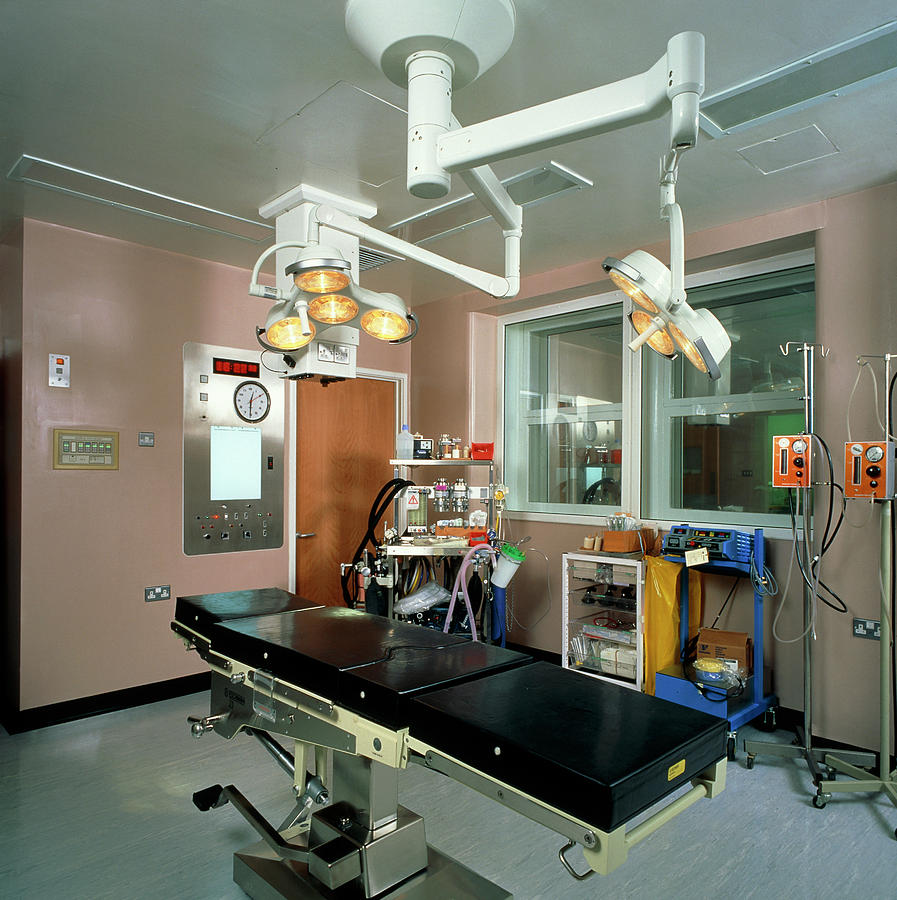
Custom jigs, fixtures, assembly aids, and inspection tools used inside medical device manufacturing facilities, supporting production line efficiency without entering the patient contact pathway.
03
Lab equipment and test fixtures
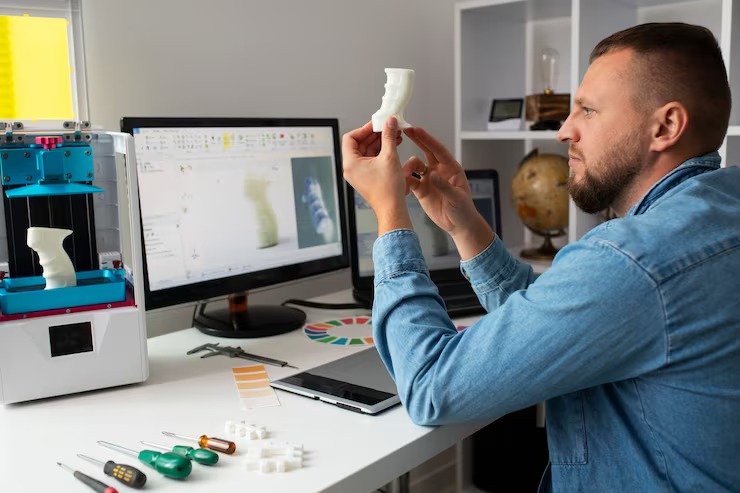
Custom holders, stands, test rigs, and calibration aids for medical research laboratories, university biomedical programs, and quality control environments.
04
Medical device packaging prototypes
Pre production packaging concepts, sterilization tray prototypes, and component organizers for medical device packaging development.

05
Non patient contact components
Internal mechanical parts, housings, brackets, and structural components inside medical devices that do not come into contact with patients or biological tissue.


Why MJF works for medical adjacent applications
Biocompatible materials and consistent quality for sensitive environments
Multi Jet Fusion is our primary technology for medical R&D and manufacturing support applications. Its combination of biocompatible material properties, dimensional consistency, and design flexibility makes it well suited for the demands of medical adjacent work.
Biocompatible material foundation
The PA12 nylon used in our MJF production has been tested by HP for ISO 10993 cytotoxicity, sensitization, and skin irritation, as well as USP Class I-VI compliance. While final medical device approval requires additional certification beyond our scope, the material itself provides a strong foundation for R&D, prototyping, and non patient contact applications.
Consistent quality and traceability MJF
delivers repeatable results across production batches, supporting medical R&D workflows and manufacturing processes that require traceability and consistent specifications throughout development cycles.
Fast iteration for research timelines
Medical device development involves frequent design changes during the R&D phase. With no tooling required, we produce new iterations in days, supporting rapid prototyping and faster validation cycles.
Finished for Clinical and Lab Environments
Medical R&D and manufacturing environments demand parts that are easy to clean, visually clear, and consistent across batches. We provide finishing options designed to meet the needs of laboratory, manufacturing, and educational settings.
Color coding and visual identification
Custom dyeing and painting for color coded parts, training models with anatomically accurate references, and visually distinct components for laboratory and educational environments.
Smooth surface treatments
Sandblasting, surface smoothing, and sealing treatments that produce cleaner, more uniform surfaces suitable for laboratory environments, easier wipe down cleaning, and reduced microbial harborage points.
Protective and functional coatings
Specialized treatments including chemical resistant finishes for laboratory equipment, sealed surfaces for moisture protection, and anti static coatings for sensitive medical electronics environments.
All finishing work is performed in house through our Post Processing services, ensuring consistent quality across every batch.
Simple Process From Design To Delivery
Our step-by-step workflow transforms your CAD files into functional prototypes with precision manufacturing, quality control, and fast delivery turnaround.
01
02
3D model optimization
Our team of 3D printing engineers introduces corrections that can improve the durability of your parts and even reduce their cost
03
Printing
Once the order is approved, your prototype moves into the printing stage.
04
Postprocessing
After printing is completed, the prototype goes through post-processing and finishing procedures.
05
Quality control
We carefully check the prototype in accordance with the expected parameters.
06
Quick delivery
The finished prototype arrives at your premises within goods to be cargoed within 3 days.
Questions from medical teams
What R&D and manufacturing teams ask before working with us
No. Patient facing medical devices, surgical guides, implants, and prosthetics intended for patient use require ISO 13485 certification and additional regulatory approvals that fall outside our current scope. We focus on R&D, manufacturing support, and educational applications.
The PA12 nylon used in our MJF production has been tested by HP for ISO 10993 cytotoxicity, sensitization, and skin irritation, and is compliant with USP Class I-VI. This makes the material itself suitable for R&D, non patient contact components, and educational applications. Final medical device approval for patient use requires additional certifications beyond material biocompatibility.
Yes. We produce patient specific anatomical models for surgical planning purposes, as well as general anatomical models for medical education, training programs, and simulation centers. These are educational and planning tools, not medical devices.
Yes. Manufacturing aids, assembly fixtures, inspection tools, and production line tooling for medical device manufacturers are a primary use case for our service. These tools support production processes without entering the patient contact pathway.
We do not perform sterilization in house. However, parts produced with our MJF technology can withstand many common sterilization methods. We recommend validating your specific sterilization process with the end user, as compatibility depends on the part design, application, and sterilization method.
Yes. All client designs and medical R&D project details are treated as strictly confidential by default, and we sign formal NDAs to protect your research, designs, and project information.
Yes. We work with university biomedical engineering programs, medical schools, research hospitals, and academic laboratories on prototypes, anatomical models, lab equipment, and research support parts.